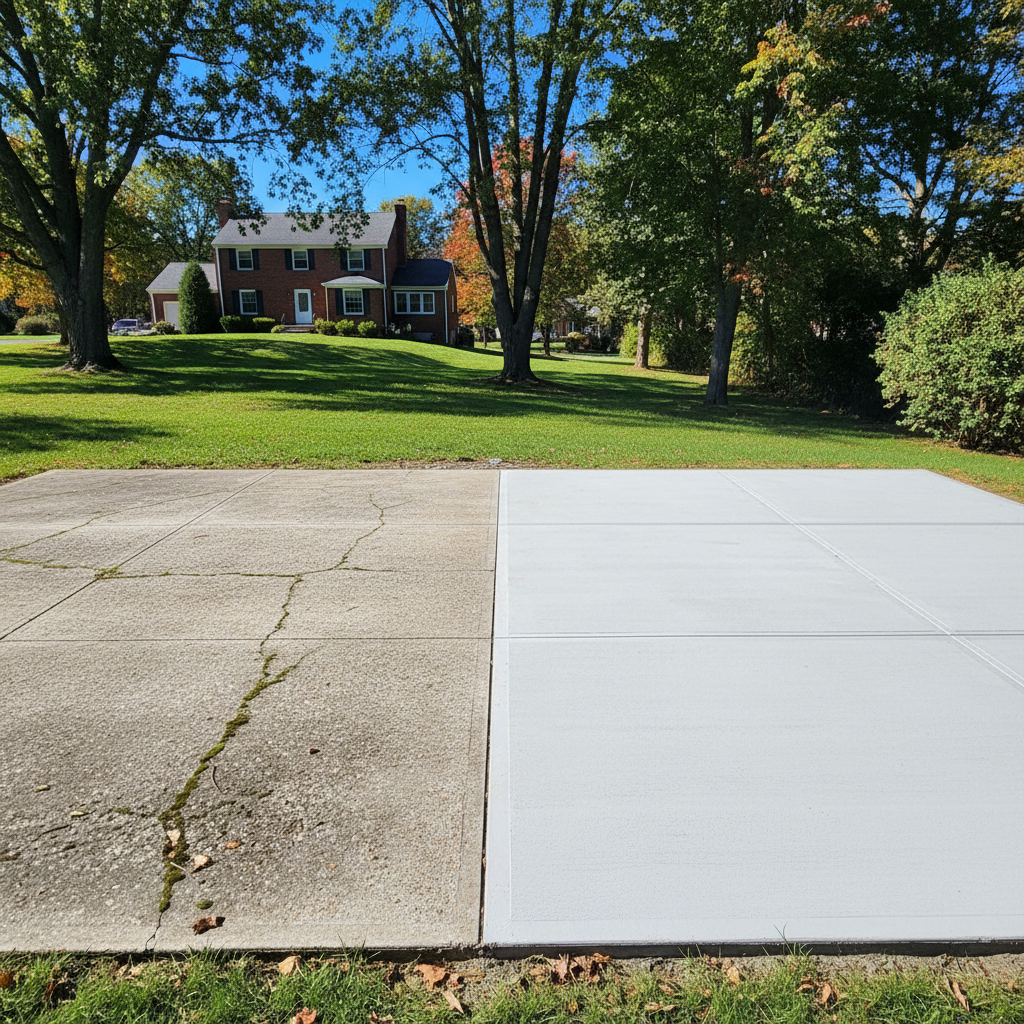
Alright, so you're thinking about a new patio for your Marlborough home. That's a smart move, really. It adds usable outdoor space and definitely boosts your curb appeal. But then the big question pops up: should you go with a classic poured concrete slab, or are those interlocking concrete pavers a better bet? I see folks wrestling with this dilemma all the time, and honestly, there's no single "best" answer. It truly depends on what you're hoping to get out of it.
Cost: What's Your Budget Looking Like?
Let's talk money first, because that's usually the starting point for most people. Generally speaking, a standard poured concrete slab is going to cost less upfront than a paver patio. You've got the materials, then our labor for forming, pouring, and finishing the concrete. It's a pretty straightforward process for us, you know? We can get a nice, durable slab down efficiently, especially if it's just a simple rectangular shape.
Pavers, on the other hand, usually involve more labor. There's the excavation, then the base prep — which is super important for pavers — followed by the careful laying of each individual block, cutting them to fit, and finally compacting and sweeping in joint sand. All that extra handiwork really adds up. So, if your main concern is keeping the initial cost as low as possible, a poured slab often comes out ahead.
Durability & Longevity: Built to Last
Now, this is where things get interesting, especially with our New England weather. A well-installed poured concrete slab, done right with proper rebar or wire mesh and control joints, is incredibly strong. It can handle heavy loads, and it'll easily last you decades. The main enemy of a slab around here is frost heave. We get those brutal freeze-thaw cycles, and if the ground isn't prepped perfectly, or if water somehow gets under the slab, you might see some cracking. We always make sure to dig deep and lay a solid gravel base to help prevent this, but it's definitely something to consider.
Concrete pavers are also super tough. They're manufactured to withstand a lot of abuse, too. The big advantage they have over a solid slab when it comes to frost heave is their flexibility. Because they're individual units with sand in the joints, they can shift and move slightly with the ground without cracking. And if one paver does crack or get damaged, you can usually just pull it out and replace that single one. With a slab, a crack means repairing a whole section, which can be tougher to make look like nothing ever happened.
Maintenance: Keeping It Looking Good
For a poured concrete slab, maintenance is pretty minimal. You'll want to clean it every now and then, maybe power wash it once a year to get rid of grime, and seal it every few years to protect against stains and the elements. If you do get a crack, you'll want to take care of it to prevent water from getting in, but otherwise, it's pretty hands-off.
Pavers also need cleaning and sealing. The main maintenance difference is that joint sand. Over time, that sand can wash out, especially with heavy rains or power washing. You might need to sweep in new polymeric sand every few years to keep weeds from growing between the pavers and to maintain their stability. If you've got a lot of mature trees around your house, like in the Wayside Inn Historic District, falling leaves and debris can also get trapped in those paver joints, making cleaning a bit more involved, wouldn't you say?
Appearance & Customization: What's Your Style?
This is where pavers really shine for a lot of people. You've got an incredible range of colors, shapes, and patterns to choose from. You can create intricate designs, borders, and truly customize the look to match your home's aesthetic. Want something that looks like natural stone? There are pavers for that. Want a modern, geometric look? Yep, pavers can do it.
Poured concrete used to be just, well, gray. But that's not the case anymore. We can do stamped concrete to mimic stone, brick, or wood. We can add color right to the mix or stain the surface. We can even do exposed aggregate for a textured, natural look. So, while pavers offer more inherent variety in individual units, modern concrete finishes give you a ton of design flexibility too. It really comes down to the specific look you're after.
My Take for Marlborough Homeowners
If you're on a tighter budget and want a clean, durable, low-maintenance surface that will last, a properly installed poured concrete slab from a company like Top Line Concrete Marlborough is a fantastic choice. We'll make sure the base is solid to handle our local soil and weather conditions, and we can definitely add decorative elements to make it pop.
If you've got a bit more wiggle room in your budget and you're really looking for that intricate, customizable, European-cobblestone kind of look, or if you're worried about future repairs being localized, then pavers are probably going to make you happier. They offer a lot of visual appeal, and that individual unit flexibility is a real plus for some homeowners.
Ultimately, both are excellent choices for a patio. It's about weighing your priorities: initial cost, the exact look you want, and how much hands-on maintenance you're willing to do. Give us a call, and we can walk through your specific project and help you figure out what makes the most sense for your home.