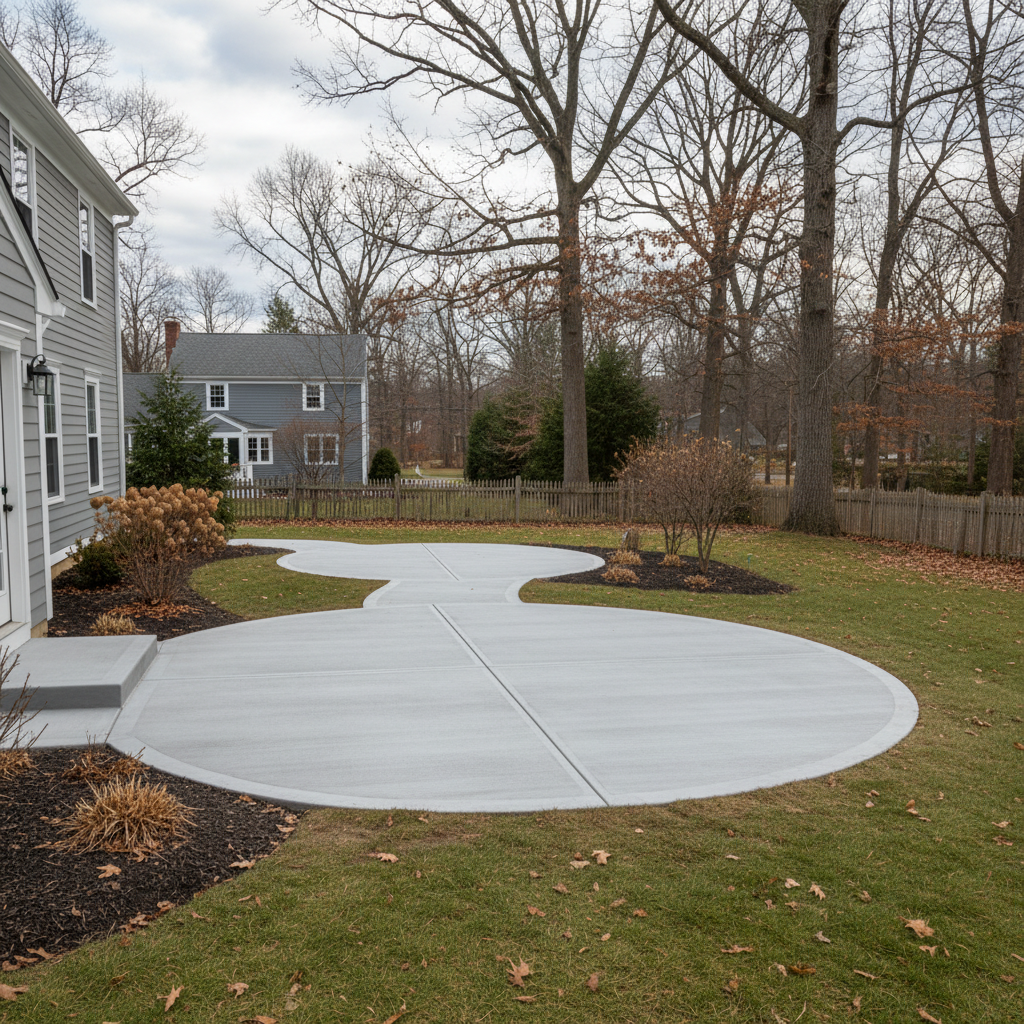
When's the best time to pour concrete around Marlborough? It's a question I get all the time, and it's a good one. You might think concrete's just concrete, but our New England weather throws a lot of curveballs. Getting the timing right isn't just about convenience; it's about making sure your investment lasts.
When to Schedule Your Concrete Project
For most concrete flatwork – driveways, patios, walkways – spring, late summer, and early fall are generally your sweet spots here in Massachusetts. We're looking for consistent temperatures, ideally between 40°F and 80°F, and not too much rain. That gives the concrete the best chance to cure properly, gaining strength without drying out too fast or freezing.
- Spring (April to June): This is prime time. The ground's thawed out, and we usually get a good mix of warm days and cool nights. Just watch out for those late spring downpours; we can't pour in a heavy rain.
- Late Summer (August to September): Another excellent window. The ground's warm, and the humidity usually isn't too extreme. It's often more predictable than spring weather.
- Early Fall (September to October): Still good, but you've got to be careful. Once we start getting consistent overnight lows below 40°F, it's risky. Concrete needs time to cure before freezing, or it'll lose strength and crack. If we're pushing it into late October, we're really watching the forecast like hawks.
We generally avoid the dead of winter and the peak of summer. Pouring in freezing temperatures without special precautions is a recipe for disaster. On the flip side, pouring in scorching July or August heat when it's 90°F and humid means the water in the mix evaporates too fast, which can lead to cracking and a weaker slab. We can do it, but it requires extra steps and costs more.
Weather Conditions That Affect the Work
It's not just temperature; a few other things play a big role. Wind, for example. A really windy day can dry out the surface of fresh concrete too quickly, even if the temperature is perfect. This can lead to what we call 'plastic shrinkage cracks.' Humidity matters too; high humidity slows down drying, while low humidity speeds it up. Rain, obviously, is a no-go. You don't want water diluting your fresh mix or washing away the surface.
Here in Marlborough, especially in areas like the older neighborhoods around Pleasant Street with their clay-rich soils, proper sub-base preparation is crucial. That soil can hold a lot of moisture, so we need to make sure we've got good drainage and a solid, compacted base before we even think about pouring. This isn't strictly weather, but it's related to how our local conditions impact the concrete's long-term stability.
Protecting Your Concrete Year-Round
Once your concrete's in, you want it to last, right? Here's how to protect that investment:
- Curing is Key: For the first week or so after we pour, leave it alone. Don't drive on it, don't put heavy furniture on it. We'll often apply a curing compound or keep it damp. This lets the concrete harden slowly and strongly.
- Seal It: I can't stress this enough. After about 30 days, once it's fully cured, apply a good quality concrete sealer. This is your concrete's first line of defense against water, salt, oil, and general wear and tear. It helps prevent freeze-thaw damage, which is a huge problem in our climate. You'll want to reapply it every 2-3 years, depending on traffic and the type of sealer.
- Be Mindful of De-icers: This is a big one for driveways and walkways. Avoid de-icers containing ammonium sulfate or ammonium nitrate; these chemicals are super aggressive and will eat away at your concrete. Rock salt (sodium chloride) is better, but still use it sparingly. Sand is always a good, safe alternative for traction.
- Clean Regularly: Sweep off dirt and debris. If you spill oil or anything else, clean it up quickly. Pressure washing is fine, but don't use too high a pressure or hold the nozzle too close, especially on older or unsealed concrete.
- Watch for Cracks: Small hairline cracks are normal; concrete moves. But if you see larger, expanding cracks, or sections starting to heave, give us a call at Top Line Concrete Marlborough. It might be a sign of a bigger issue that needs attention before it gets worse.
Taking care of your concrete isn't rocket science, but it does require a little attention, especially with our tough winters and humid summers. Do it right, and your concrete will serve you well for decades.