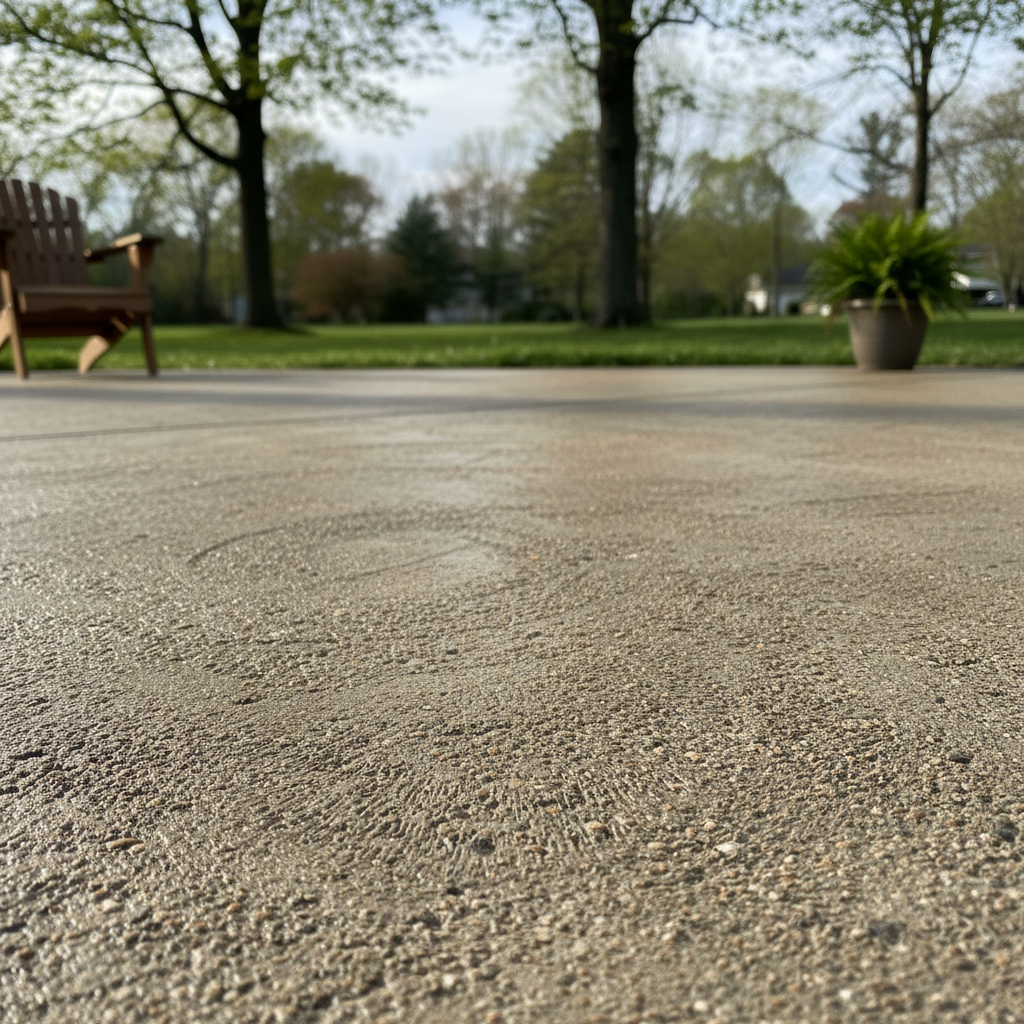
So, you're dreaming of a new concrete patio. Maybe it’s for those summer BBQs, a cozy fire pit area, or just a nice spot to kick back after a long day. It's a great investment, truly. But before you grab a shovel, let's talk about what actually goes into building one. Is this a weekend warrior project, or something best left to us pros?
Before You Start: Planning & Permits
First things first, you've got to plan. Figure out exactly where it's going, how big it'll be, and what you'll use it for. Don't forget about drainage either. You really don't want water pooling up against your house foundation, especially with our Marlborough winters and all that snowmelt. A well-built patio will slope away from the house at about 1/4 inch per foot.
Then there are permits. Yeah, I know, nobody loves dealing with town hall. But for any significant outdoor structure, including a new patio, you might need one from the Marlborough Building Department. It really depends on the size and if it’s attached to your house. It’s always better to check first than to get hit with a stop-work order later. Trust me, that's a headache you don't want.
The DIY Side: What You CAN Do
Alright, so what can a homeowner realistically do themselves? Quite a bit, actually, if you’re handy and have the time.
- Site Prep & Excavation: You can definitely clear the area, remove sod, and dig out the base. You'll need to dig deep enough for your gravel base (usually 4-6 inches) plus the concrete slab (another 4 inches). Make sure your subgrade is compacted well.
- Form Building: For a simple square or rectangular patio, building the forms out of 2x4s or 2x6s isn't too tough. Just make sure they're level, straight, and securely staked. This is where that slope away from the house comes in handy.
- Gravel Base: Spreading and compacting the gravel base is also something you can handle. You'll need a plate compactor, which you can rent. This step is super important for preventing cracking down the line, especially with our freeze-thaw cycles here in New England.
If you're just doing a small, simple pad—like for a trash can or an AC unit—and you've got a few strong friends, you might even manage to pour and finish it yourself with bags of ready-mix concrete. But that's really pushing it for anything bigger than a 4x4 foot area.
When to Call a Pro: The Hard Truth
Now, for the stuff where you really should call someone like us at Top Line Concrete Marlborough. This isn't just about pouring concrete; it’s about getting it right the first time so it lasts.
- Larger or Complex Patios: Anything over, say, 100 square feet, or if you want curves, steps, or multiple levels? That's pro territory. The amount of concrete needed, the speed required for pouring and finishing, and the specialized tools make it a huge undertaking for a DIYer.
- Reinforcement: We'll make sure you have the right rebar or wire mesh in place, properly supported, to give your slab strength and prevent cracking. This isn't just throwing some wire down; it's strategic.
- Pouring & Finishing: This is the big one. Concrete sets fast. You need to pour, screed (level), float, and trowel it to a smooth, durable finish, all within a tight timeframe. If you don't know what you're doing, you'll end up with a lumpy, uneven, or weak surface that'll look bad and won't last. Getting that perfect broom finish or a smooth, sealed surface takes skill and experience.
- Decorative Finishes: Thinking about stamped concrete, exposed aggregate, or colored concrete? Forget DIY. These require specific techniques, timing, and materials that only experienced concrete contractors have mastered.
- Drainage Issues: If your yard has tricky drainage or you're building near a wetland protection area, you'll want a pro to design and execute the proper grading and drainage solutions. We deal with the varied soil conditions around Marlborough, from rocky hills to the softer, wetter areas near the Sudbury River, all the time.
After the Pour: Curing & Care
Once the concrete is poured—whether by you or us—the job isn't over. Curing is critical. You need to keep the concrete moist for at least 3-7 days, sometimes longer, depending on the mix and weather. This lets the concrete gain its full strength. You can do this by misting it with water, covering it with plastic sheeting, or using a curing compound.
Don't put heavy furniture or drive on it for at least a week, and ideally, wait 28 days for full strength before really giving it a workout. And remember to seal your patio every few years to protect it from our harsh New England weather and make it easier to clean. It'll help prevent stains and extend its life significantly.
Look, a concrete patio is a fantastic addition to any home. Just be realistic about what you can handle. For anything more than a small, basic pad, calling in a professional like us is going to save you a lot of backache, potential mistakes, and ultimately, money in the long run. We're here to help you get it right.